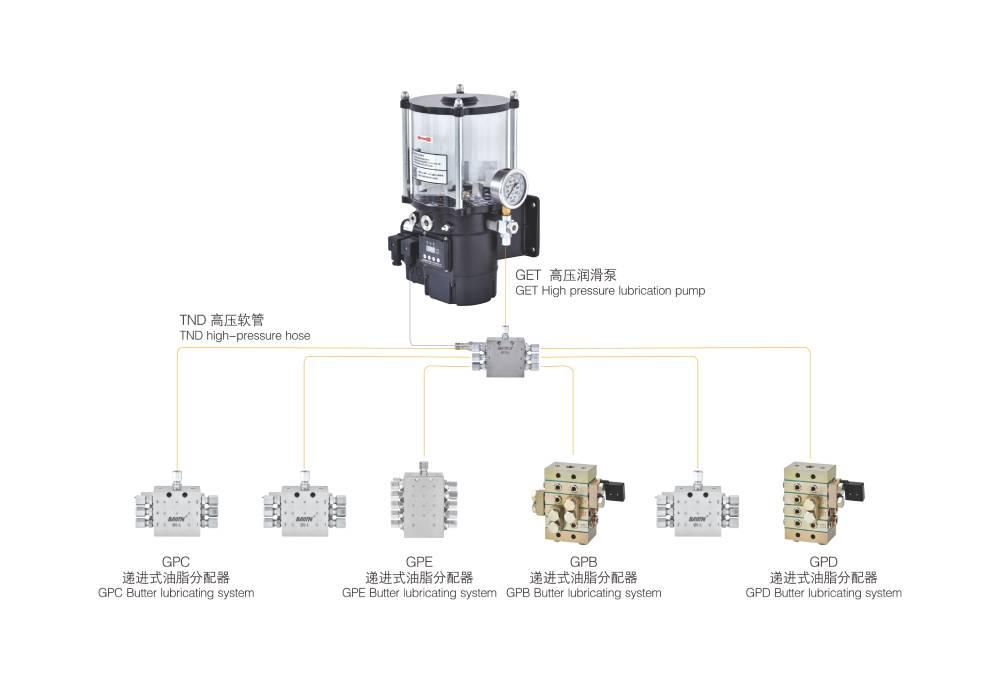
For CNC machine tools, automated production lines, and industrial machinery, a properly designed
automatic centralized lubrication system is essential for maintaining consistent lubrication across multiple moving components. Selecting the right lubrication pump, distributor, control unit, and pipeline configuration helps ensure accurate lubricant delivery, reduce manual maintenance, and protect critical machine components from premature wear.
This guide explains the key components, working principles, system configurations, and cost considerations involved in automatic centralized lubrication system design, helping equipment manufacturers and maintenance engineers choose a suitable lubrication solution.
What Is the Central Lubrication System Working Principle?
An automatic centralized lubrication system stores lubricant in a central reservoir and distributes it through a network of pipelines to multiple lubrication points at predetermined intervals. Instead of relying on operators to lubricate individual components manually, the system uses an electric pump, metering devices, and a control unit to manage lubricant delivery.
The working process generally involves four stages:
Lubricant storage: Oil or grease is stored in a reservoir connected to the lubrication pump.
Pressure generation: The electric pump draws lubricant from the reservoir and delivers it into the main lubrication line.
Lubricant distribution: Distributors or metering devices divide the lubricant into controlled quantities for individual lubrication points.
Automatic control: A timer, independent controller, or machine PLC determines lubrication intervals and monitors system operation.
This automated process helps maintain consistent lubrication, particularly in machinery with multiple lubrication points or continuous operating cycles.
Once the working principle is understood, the next step is identifying the components required to achieve reliable lubricant delivery. Proper installation and pipeline arrangement are equally important. For practical guidance, read our article on
how to install an automatic lubrication system.
What Are Central Lubrication System Main Components?
A centralized lubrication system consists of several interconnected components, each responsible for a specific part of the lubricant delivery process.
Lubrication pump: Generates the pressure needed to transport oil or grease throughout the system.
Lubricant reservoir: Stores the lubricant and supplies it to the pump.
Distributor or metering device: Divides the lubricant into predetermined quantities for individual lubrication points.
Main and branch pipelines: Transport lubricant from the pump to distributors and machine components.
Fittings and connectors: Join pipes, hoses, distributors, and lubrication outlets.
Control unit: Regulates pump operation, lubrication intervals, and delivery cycles.
Monitoring devices: Pressure switches, level sensors, and cycle indicators help identify abnormal operating conditions.
The exact configuration depends on the lubricant type, number of lubrication points, required delivery volume, working pressure, and machine layout. Selecting compatible components is essential for maintaining stable system performance.
What Is Central Lubrication System Structure?
The system structure determines how lubricant travels from the central supply source to individual lubrication points. Although configurations vary, a typical arrangement follows this sequence:
Lubricant Reservoir → Electric Lubrication Pump → Main Pipeline → Distributor → Branch Pipelines → Lubrication Points
Different distribution methods are available depending on the application.
Single-line resistance system: Lubricant travels through a main pipeline and is distributed to individual points through metering elements. It is commonly used in machine tools and relatively compact lubrication networks.
Volumetric lubrication system: Positive-displacement metering devices deliver a predetermined volume of lubricant to each lubrication point during a lubrication cycle. This approach is suitable for applications requiring controlled and repeatable lubricant quantities.
Progressive lubrication system: Progressive distributors deliver lubricant sequentially through interconnected metering sections. Each section must complete its dispensing movement before the next can operate. This configuration is widely used in centralized grease lubrication systems.
Dual-line lubrication system: Two main supply lines alternate between pressurization and pressure release to distribute lubricant through metering devices. It is suitable for larger installations with numerous lubrication points and longer distribution distances.
The choice should be based on lubrication requirements, pipeline length, lubricant properties, system pressure, and the consequences of a potential distribution failure.
What Are Central Lubrication System Features?
A properly designed automatic centralized lubrication system provides several operational advantages.
Consistent lubricant delivery: Metering devices help supply appropriate quantities of lubricant at scheduled intervals.
Reduced manual maintenance: Operators spend less time performing repetitive lubrication tasks across multiple machine components.
Improved equipment protection: Maintaining an appropriate lubricant film helps reduce friction, wear, and heat generation.
Centralized monitoring: Optional pressure switches, low-level sensors, and cycle monitoring devices help identify blockages, lubricant shortages, and abnormal operating conditions.
Flexible system configuration: Different pumps, distributors, controllers, and pipelines can accommodate various machine types and operating environments.
However, automation does not eliminate maintenance requirements. Reservoir levels, pipeline conditions, distributor operation, and lubricant compatibility still need regular inspection.
ROI Considerations: Is an Automatic Lubrication System Worth It?
For manufacturers, the value of an automatic lubrication system should be evaluated through its total operating costs rather than its initial purchase price alone.
The potential return on investment comes from several areas:
Labor savings: Automated lubrication reduces the time technicians spend manually servicing individual lubrication points.
Lower maintenance expenses: Consistent lubricant delivery can help reduce lubrication-related component wear and premature replacements.
Reduced downtime: Proper lubrication helps minimize failures associated with inadequate or inconsistent lubricant supply.
Better lubricant utilization: Accurate metering helps prevent excessive grease or oil consumption.
Improved maintenance planning: Scheduled lubrication and monitoring make maintenance activities more predictable.
To estimate ROI, compare the initial equipment and installation costs with annual savings in labor, lubricant consumption, component replacement, and unplanned downtime. The investment is particularly worth evaluating for machinery with numerous lubrication points, difficult-to-access components, or continuous operating schedules.
Automatic Grease Lubrication System Price: What Determines the Cost?
The price of an automatic grease lubrication system varies according to its technical specifications, distribution configuration, and application requirements. There is no universal price because systems serving different numbers of lubrication points or operating under different pressure conditions require different components.
The main cost factors include:
Pump specifications: Motor power, pressure rating, displacement, reservoir capacity, and outlet configuration.
Distribution method: Progressive, volumetric, and other system configurations involve different metering components and piping arrangements.
Control functions: Basic timing control generally costs less than systems with advanced monitoring and PLC integration.
Pipelines and fittings: Material, length, connection types, and installation complexity affect the total cost.
Customization: Special operating environments and machine-specific requirements may require additional engineering.
When comparing quotations, consider the complete system cost, including pumps, distributors, accessories, installation, commissioning, and ongoing maintenance. A lower initial purchase price does not necessarily mean a lower total operating cost.
How to Choose Reliable Automatic Lubrication System Manufacturers?
Choosing reliable automatic lubrication system manufacturers is an important part of a successful lubrication project. A qualified supplier should understand different lubrication methods and be able to recommend compatible pumps, distributors, and accessories based on actual equipment requirements.
When evaluating manufacturers, consider their:
Experience in industrial lubrication technology.
Product range covering both oil and grease lubrication.
Understanding of different centralized distribution systems.
Engineering and customization capabilities.
Manufacturing quality control and product testing.
Technical support and after-sales service.
BAOTN has specialized in intelligent lubrication technology since 2006. Its product portfolio includes thin oil lubrication systems, grease lubrication systems, oil-air lubrication systems, and oil mist lubrication systems. These products serve applications in CNC machine tools, automation, textile machinery, engineering machinery, metallurgy, wind power, and heavy industry. BAOTN also invests in research and development, product testing, and intelligent manufacturing to support industrial lubrication requirements.
Looking for an automatic centralized lubrication system for your machinery?
BAOTN provides industrial lubrication pumps, distributors, controllers, and customized lubrication solutions for CNC machine tools, automation equipment, and other industrial applications.
Contact our engineering team and share your machine type, lubrication points, lubricant requirements, and operating conditions. We can help you evaluate a suitable centralized lubrication system configuration.