BAOTN specializes in progressive grease lubrication systems for CNC machines, automation equipment and industrial machinery. When an industrial machine has dozens of lubrication points, choosing a grease pump is about more than pressure and reservoir capacity. The pump needs to deliver grease consistently across the entire lubrication circuit and work reliably under the machine’s actual operating conditions.
This is especially important in a progressive lubrication system, where one pump supplies grease to a progressive distributor and the distributor feeds multiple lubrication points in sequence.
So, when selecting a progressive grease pump manufacturer, what should you actually look at?
The answer goes beyond the pump itself. Pump performance, grease compatibility, system pressure, distribution, control and monitoring all need to work together.
How Does a Progressive Grease Pump Work?
A progressive grease pump is the core lubricant delivery component of a centralized progressive lubrication system. It pressurizes grease and sends it through the main lubrication line to a progressive distributor.
The distributor then directs the grease through its outlets in a predetermined sequence, feeding individual lubrication points through secondary lines.
A typical system looks like this:
Electric grease pump → Main lubrication line → Progressive distributor → Secondary lines → Lubrication points
This configuration makes it possible to lubricate multiple bearings, guideways, bushings and other friction points automatically from a centralized grease supply.
For equipment with numerous or hard-to-reach lubrication points, a progressive system can significantly reduce manual maintenance while providing a more consistent lubrication cycle.
The key benefit is not simply automation. It is controlled and repeatable grease delivery.
What Should You Look for in a Progressive Grease Pump Manufacturer?
Not every grease pump is suitable for every progressive lubrication system. Before choosing a supplier, we suggest looking at several technical factors.
Pump design and system compatibility
A progressive lubrication system places specific demands on the pump.
The pump must provide stable grease flow and sufficient pressure for the distributor and the entire downstream circuit. At the same time, the pump needs to match the required lubrication cycle and grease characteristics.
At BAOTN, our progressive lubrication range includes products such as the GEN-1 progressive electric grease lubrication pump and GEO-1 progressive grease lubrication pump system.
Rather than selecting a pump based on its catalog specifications alone, we look at how the pump will interact with the distributor, pipelines and lubrication points.
That system-level approach is often what determines whether an automatic lubrication system performs reliably in the field.
Pressure should match the actual application
A higher pressure rating does not necessarily mean a better lubrication pump.
The pressure required by a system depends on several factors, including:
Number of lubrication points
Pipeline length and diameter
Grease consistency
Distributor configuration
Ambient temperature
Resistance at the lubrication points
Grease flow can become more difficult at low temperatures or when the selected grease is not well suited to the system. Long pipelines and excessive resistance can create additional pressure requirements.
For this reason, we always recommend considering the complete lubrication circuit when determining the required pump pressure.
The objective is not to maximize pressure. It is to achieve stable grease delivery at the required flow and frequency.
Check grease compatibility
Grease is just as important as the pump.
Different greases have different consistency, viscosity and flow characteristics. These properties can directly affect pump performance and how easily grease moves through the lubrication lines.
Operating temperature also matters. A grease that performs well in a warm factory environment may behave very differently in cold outdoor conditions.
Before selecting a progressive grease pump, check the grease specification, NLGI grade, operating temperature and lubrication requirements of the equipment.
The pump, distributor, tubing and grease should be considered as one system rather than as separate components.
Don't overlook monitoring and control
Automatic lubrication is only useful when you know the system is working as intended.
A pump can run normally while a lubrication problem develops elsewhere in the circuit. A low grease level, abnormal pressure or blocked line can eventually result in insufficient lubrication and equipment downtime.
This is why monitoring functions are important in modern centralized lubrication systems.
Depending on the application, features such as low-level detection, pressure switches and controller interfaces can help operators or machine control systems identify abnormal conditions.
For automated equipment, the lubrication system can also be integrated with a PLC or other control system to manage lubrication intervals and operating cycles.
At BAOTN, these control and monitoring requirements are considered during product and system development rather than treated as an afterthought.
Look for system expertise, not just a pump catalog
A progressive grease pump is only one part of the lubrication system.
The distributor determines how grease is divided between lubrication points. Pipeline dimensions affect flow resistance. Grease characteristics influence delivery. Control settings determine when and how often the system operates.
If any of these elements are poorly matched, even a high-quality pump may not deliver the expected results.
This is why experience in centralized lubrication matters when choosing a manufacturer.
At BAOTN, our work in lubrication technology covers grease lubrication, thin oil lubrication, oil-air lubrication and oil mist lubrication. Our solutions are used across applications such as CNC machine tools, automation equipment, textile machinery, engineering machinery, metallurgy and wind power.
That broader experience allows us to approach progressive lubrication as a complete engineering system rather than simply a standalone pump.
Where Are Progressive Grease Pumps Commonly Used?
Progressive lubrication is particularly useful when a machine has multiple lubrication points that require regular and controlled grease delivery.
Typical applications include:
CNC machine tools
Automation equipment
Textile machinery
Construction and engineering machinery
Industrial production equipment
Heavy-duty mechanical equipment
For a simple machine with one or two easily accessible lubrication points, manual greasing may still be practical.
The advantages of centralized progressive lubrication become more apparent as the number of lubrication points increases, access becomes more difficult or lubrication intervals become more critical.
How We Select a Progressive Grease Pump
When evaluating a new application, we start with the machine—not the pump model.
First, we look at the number and location of lubrication points, the required grease quantity and lubrication frequency. We then consider the pipeline layout, grease specification, operating temperature and available power supply.
From there, we can determine the appropriate pump, progressive distributor and control configuration.
This process helps avoid a common mistake: choosing a pump based solely on its maximum pressure or reservoir size without considering how the complete system will operate.
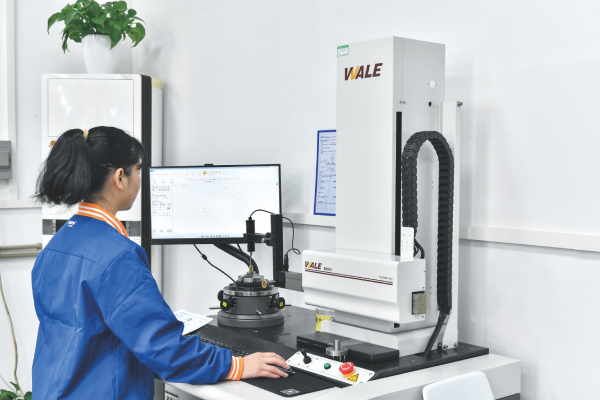
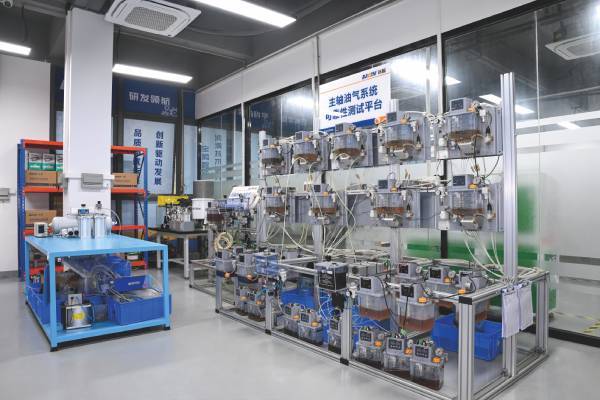
Our R&D work also involves testing and evaluation through our tribology and intelligent lubrication laboratory. Combined with precision manufacturing and quality-control processes, this gives us a practical basis for developing lubrication equipment for different industrial applications.
What Information Should You Provide to a Progressive Grease Pump Manufacturer?
If you are sourcing a progressive grease pump for new equipment or replacing an existing system, providing a few basic parameters can make the technical evaluation much more straightforward.
Useful information includes:
Number of lubrication points
Type of bearings or friction components
Required grease quantity
Lubrication frequency
Grease type and NLGI grade
Maximum pipeline length
Operating temperature
Available power supply
Control method
Pressure and grease-level monitoring requirements
With these details, it is easier to determine whether progressive lubrication is suitable for the application and what type of pump and distributor configuration will provide reliable performance.
Final Thoughts
Choosing a progressive grease pump manufacturer should not come down to price or a single specification.
A dependable lubrication system requires the pump, distributor, grease, pipelines and control system to work together. The right manufacturer should be able to understand those relationships and translate the machine’s operating requirements into a practical lubrication solution.
That is the approach we take at BAOTN. Rather than treating the grease pump as an isolated component, we focus on how the complete lubrication system will perform in the real world.
If you are selecting a progressive grease pump or designing a centralized grease lubrication system, our technical documents can help you compare specifications and understand the available configurations.
Send us your machine type, lubrication points, grease specification and required pressure. BAOTN engineers can recommend the suitable progressive lubrication solution.