As industrial automation becomes faster and more complex, lubrication is no longer a simple maintenance task. Robotic arms, CNC equipment, conveyors, assembly machines, linear motion systems, and automated production lines often operate at high speeds and high cycle frequencies, with multiple lubrication points distributed throughout compact equipment.
For these machines, a well-designed lubrication system solution can help deliver the right amount of lubricant to the right point at the right time. Instead of relying on manual greasing, automated lubrication allows oil or grease delivery to be integrated into the machine's operating and maintenance process.
What Does a Lubrication System Solution Include?
A complete lubrication system is more than an electric lubrication pump.
A typical centralized system may include:
Electric oil or grease lubrication pump
Lubricant reservoir
Progressive or volumetric distributor
Main and branch lubrication lines
Connectors and fittings
Pressure and level monitoring
Timer, controller, or PLC interface
Specialized lubrication components for individual machine parts
The pump supplies the lubricant, while distributors control how it is allocated to different lubrication points. The control system determines when lubrication occurs and, depending on the system configuration, how frequently and how much lubricant is delivered.
This system-level design helps avoid treating every lubrication point as an isolated maintenance task.
Choosing Between Oil and Grease Lubrication
The choice between oil and grease depends on the machine design, component requirements, speed, temperature, load, and operating environment.
Oil Lubrication Systems
Oil lubrication is commonly considered for high-speed or precision components where continuous or controlled oil delivery is required. Automated machinery may use thin oil lubrication for bearings, gears, guideways, and other moving components.
Volumetric and resistance-type oil lubrication systems can be configured according to the number and requirements of lubrication points. Oil-air or MQL systems may also be appropriate for applications where lubrication and heat management are important.
Grease can be suitable for bearings, gears, guideways, chains, pins, and other components where the lubricant needs to remain at the lubrication point for longer periods.
For machines with multiple grease points, progressive or volumetric grease lubrication systems can distribute grease from a centralized electric pump to different parts of the machine.
The key is not simply choosing oil or grease. The lubrication method must match the component and operating conditions.
Common Automation Applications
Robotic Arms and Motion Systems
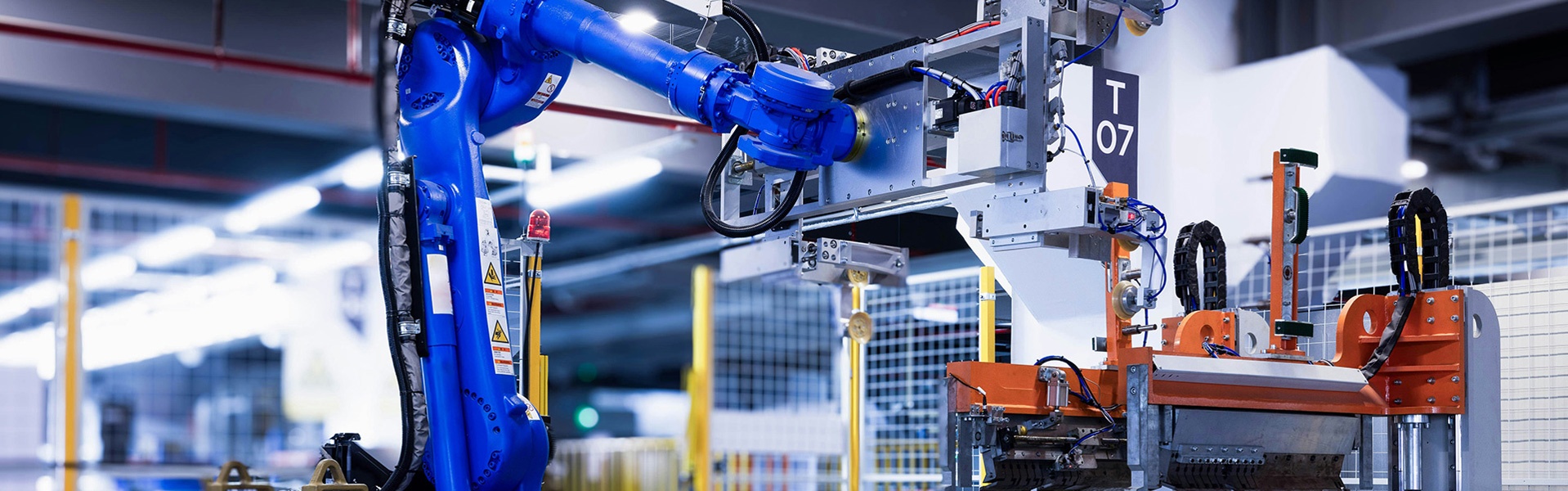
Robotic systems contain multiple joints, bearings, gears, and other moving components that operate through repetitive cycles. Automatic lubrication can supply lubricant at predetermined intervals without requiring technicians to access each lubrication point manually.
CNC and Automated Machine Tools
Linear guides, ball screws, bearings, and other precision components require controlled lubrication. A centralized lubrication system can distribute oil or grease through dedicated lines while allowing lubrication intervals to be integrated with machine operation.
Automated Conveyors
Conveyor systems may contain many bearings, rollers, chains, and drive components. Centralized lubrication reduces the need for operators to manually service widely distributed lubrication points.
Assembly and Material Handling Equipment
Automated assembly machines and material handling systems often combine high-speed motion with compact mechanical structures. A properly configured lubrication system can help maintain consistent lubrication while reducing routine maintenance requirements.
Battery and Electronics Manufacturing Equipment
Production equipment in battery and electronics manufacturing may have specific cleanliness and material requirements. The lubrication system therefore needs to be selected according to both mechanical lubrication requirements and the production environment.
How to Match a Lubrication System to Automation Equipment
The right lubrication configuration depends on the machine structure, number of lubrication points, lubricant requirements, and control method.
For automation equipment with multiple lubrication points, progressive or volumetric lubrication systems may be considered according to the required lubricant delivery and distribution method. Specialized components, such as lubricating pinions for gear racks and oil brushes or nozzles for chains, may also be needed for specific applications.
At BAOTN, lubrication system selection should begin with the actual equipment requirements. Pump capacity, distributor configuration, piping layout, lubrication intervals, and control requirements should be evaluated together to determine a suitable solution.
How to Design a Reliable Automation Lubrication System
Identify every lubrication point.Determine the number, location, lubricant requirement, and operating conditions of bearings, guides, gears, chains, and other components.
Select the appropriate lubricant.Oil and grease behave differently in terms of viscosity, flow, temperature resistance, and delivery requirements.
Choose the distribution method.Progressive and volumetric systems provide different ways to distribute lubricant across multiple points. The choice should be based on the machine structure and required lubrication control.
Match pump capacity and pressure.The pump must provide sufficient flow and pressure for the complete lubrication circuit, including line length, lubricant characteristics, and system resistance.
Integrate the control system.For automated equipment, lubrication cycles can be controlled by a dedicated controller or integrated with the machine's PLC. This allows lubrication to become part of the equipment's overall maintenance strategy.
Consider monitoring and maintenance.Low lubricant levels, abnormal pressure, blocked lines, or distributor problems can affect the entire system. Appropriate monitoring helps maintenance teams identify problems before they develop into equipment failures.
Why System Integration Matters
A lubrication pump alone cannot solve every lubrication problem.
For example, increasing pump pressure does not necessarily correct an incorrectly sized distributor or an unsuitable pipe layout. Similarly, increasing lubrication frequency does not compensate for an inappropriate lubricant or an improperly configured lubrication point.
A reliable lubrication system solution therefore requires the pump, distributor, piping, lubricant, control system, and machine requirements to work together.
This is particularly important in automation, where a small lubrication problem can affect a precision component and eventually interrupt an entire production process.
Build the Right Lubrication Solution for Your Automation Equipment
Industrial automation requires lubrication systems that are accurate, consistent, and compatible with continuous machine operation. Whether the application requires thin oil lubrication, centralized grease lubrication, progressive distribution, volumetric lubrication, or oil-air/MQL technology, the system should be designed around the actual machine rather than selected as a standalone component.
At BAOTN, we provide electric oil and grease lubrication pumps, distributors, piping components, and complete lubrication system solutions for automation equipment. Our approach is to match the lubrication method and system configuration to the machine's lubrication points, operating conditions, and control requirements.