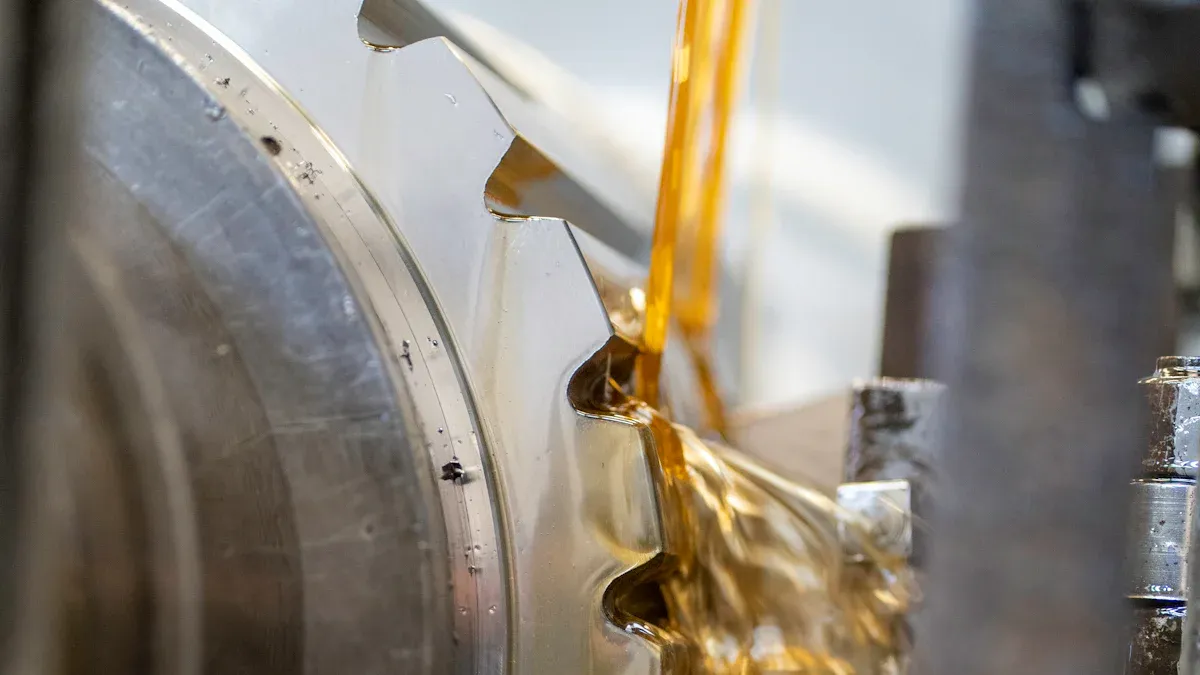
When you look at automatic central lubrication grease pump systems, you see important parts. These include pumps, reservoirs, controllers, metering devices, hoses, fittings, valves, and sensors. Each part helps the system work well. Pumps move grease. Reservoirs hold the grease. Controllers run the automatic cycles. Metering devices and valves send the right amount of grease to each spot.
A good automatic lubrication system helps machines last longer. It also means less downtime and better efficiency. The system gives grease at the right time and in the right amount.
Systems like Baotn’s GEO have smart features. These features make maintenance easier and help the system work better.
Key Takeaways
Automatic central lubrication systems have important parts. These include pumps, reservoirs, and controllers. Each part helps machines get the right amount of grease.
Regular maintenance is very important. You should check for leaks. Clean filters often. Make sure the reservoir has enough grease. This helps stop system failures.
Advanced systems have smart features. Baotn’s GEO can watch how the system works. It can warn you about problems early. This helps lower downtime and repair costs.
Picking the right metering device is important. Good distribution lines matter too. This makes sure every machine part gets enough grease.
Use the correct grease type. Follow what the manufacturer says. This stops blockages and keeps your equipment safe.
Main Components Overview
Key Components List
Automatic central lubrication grease pump systems have many important parts. Each part does something special. The table below lists the main parts and what they do:
Component Type | Description |
Lubrication pump | Moves grease or oil through the system. |
Reservoir | Stores the grease or oil until it is needed. |
Controller | Runs and manages the automatic lubrication system. |
Progressive distributor | Sends the right amount of lubricant to each lubrication point. |
Outlet relief valve elements | Helps control and manage pressure in the system. |
Main line | Carries lubricant from the pump to different parts of the machine. |
Filter | Keeps the lubricant clean before it reaches the machinery. |
Pressure switch | Checks the pressure and helps keep the system safe. |
Function control | Makes sure the system works as planned. |
Fault monitoring | Alerts you if something goes wrong. |
Pipes and hoses | Move lubricant from the pump to the lubrication points. |
Fittings | Connect different parts of the system together. |
Sensors | Watch for problems like low oil or leaks. |
Tip: Some advanced systems, like Baotn’s GEO, have extra features. These include low oil level transmitters and exhaust valves. These features help keep things safe and working well.
How Components Interact
All the parts must work together for the system to work right. The pump moves grease from the reservoir into the main line. The controller tells the pump when to turn on and off. Progressive distributors and metering devices make sure each spot gets enough grease. Pipes, hoses, and fittings move the grease to every place that needs it.
Sensors and pressure switches watch the system for problems. They help you find leaks or low oil early. Fault monitoring lets you know if something is wrong. This teamwork helps machines last longer and stops breakdowns.
Centralized grease lubrication systems help with hard-to-reach spots. Automatic systems send grease to many places at once. You do not have to do it by hand. This saves time and keeps equipment safe. When pumps, reservoirs, and metering devices work together, machines get the right amount of grease at the right time. This makes the system work well and keeps it reliable.
Pump and Reservoir
Pump Function
The pump is the main part of the system. It moves grease from the reservoir to each lubrication point. The pump does more than just push grease. It makes enough pressure to send grease through pipes and hoses. This helps grease reach far places or spots that are hard to get to.
The pump pushes the plunger and other parts to pull grease from the reservoir.
It adds pressure to the grease and sends it to lubrication points.
This helps your machines get the grease they need.
Modern pumps, like those in Baotn’s GEO system, have smart features. You can change the pressure with a pressure regulating valve. This lets you set the pressure for your machine. The GEO system also has an exhaust valve. This valve takes air out of the pump chamber. It keeps grease moving well and stops air pockets that could block the system.
Reservoir Role
The reservoir holds the grease until the system needs it. You count on the reservoir to keep enough grease ready for every cycle. A good reservoir keeps the grease clean and at the right pressure.
The reservoir makes sure grease is always ready to use. It keeps the pressure steady so the system works well. If the reservoir is built and cared for the right way, it stops grease from separating and keeps the flow smooth.
In automatic systems, the reservoir often has a low oil level transmitter. This device tells you when grease is running low. The Baotn GEO system uses special contacts for its low oil level transmitter. You get a warning before the reservoir is empty. This lets you refill it and stop dry running.
Maintenance Tips
You must keep the pump and reservoir working well. Regular care stops problems and keeps your system running smoothly.
Airlocks: Let air out by loosening a connection so trapped air can escape.
Grease Hose Priming: If grease does not flow, take off the hose and pump grease until it comes out, then put the hose back on.
Piston Problems: Fix a stuck piston by taking apart the pump and cleaning out anything blocking it.
Watch for these common problems:
Plugged or bent lines
Broken lines
Empty reservoirs
Dirty grease
Pump not working
Worn injectors causing injector bypass
Dirty air
Not enough air
No power
Wrong injector settings
Check the power source often. Make sure the reservoir has enough grease. Look for dirt in the grease. Clean or change filters and strainers when needed. Check the pipes and metering devices every week or month. These steps help you stop problems and keep your system working well.
Tip: Advanced systems like Baotn’s GEO make care easier. Features like pressure control, exhaust valves, and low oil level transmitters help you find problems early and keep your machines safe.
Metering Devices & Distribution Lines
Metering Devices
Metering devices control how much grease goes to each part. These devices help every bearing or joint get enough grease. Different systems use different metering devices. Here are some types you might see:
Direct systems use a pump to send grease right to each spot.
Indirect systems use valves in the lines to send grease after the pump builds pressure.
Single-line systems use injectors to give grease, but you must vent the line before starting again.
Dual-line systems use two supply lines and a four-way valve to switch grease delivery. This adds extra safety.
You need to pick the right metering device for your machine. The kind of lubricant, the temperature, and the load all matter. If you choose the wrong device, some parts may get too much or too little grease.
Distribution Lines
Distribution lines move grease from the pump to each spot. These lines must be the right size and length. If lines are too long or thin, some bearings may not get enough grease.
If grease lines are different lengths, some bearings may get more grease than others. Centralized grease lubrication systems can make it hard to spread grease evenly across many bearings.
You can use different systems for different machines. Dual-line systems work well for big machines with lots of spots to grease. Progressive systems send grease through outlets one by one, so you can change parts fast without stopping the machine. Oil lubrication systems use electric pumps and work best for small machines.
Fittings
Fittings connect all the parts in your automatic lubrication system. You need strong fittings that do not leak to keep grease moving where it should. If a fitting leaks or breaks, some parts may not get any grease.
When you pick fittings and lines, think about these things:
Consideration | Description |
Type of Lubricant | Pick oil-based for machines that stay in one place and grease-based for machines that move. |
Compatibility | Make sure the lubricant works with the temperature and load. |
System Configuration | Choose progressive or parallel systems for your needs. |
Automation and Monitoring | Look for systems that show real-time data and help you fix problems before they happen. |
Supplier Selection | Work with suppliers who sell good products and give good help. |
Tip: Always check the size and setup of your lines and fittings. Good sizing and installation help your automatic system work well and keep your equipment safe.
Control Unit & Valves
Control Unit
The control unit is like the system’s brain. It lets you pick when the system works. You can also choose how often it runs. Many new control units connect to a PLC. This helps the system run by itself. You can also connect it to other building tools. This makes it easy to watch and control from far away.
Here is a table that shows what a control unit with PLC can do:
Feature | Benefit |
Programmable cycles | You choose exact times and amounts for grease. |
Remote diagnostics | You can check the system from another place. |
System integration | You can link it with other machines or controls. |
Safety and reliability | It helps stop system problems and keeps things safe. |
A programmable control unit helps you use just the right amount of grease. This keeps your machines working well.
Valves
Valves are very important in these systems. They help move grease to the right spots. There are different kinds of valves in these systems:
Type of Valve | Description | Advantages |
Injectors | Give set amounts of grease to each spot. | Good control, less waste. |
Progressive valves | Send small amounts to many places in order. | Great for machines with lots of spots to grease. |
Relief valves | Send extra grease back to the reservoir. | Stops too much pressure and keeps things safe. |
Pressure switches and safety valves help you find leaks or drops in pressure. If something goes wrong, the system can stop the grease flow fast. This keeps your machines safe from harm.
System Integration
When the control unit and valves work together, the system gets smart. The control unit tells the valves when to open or close. This makes sure every part gets grease at the right time.
Tip: Some advanced systems, like Baotn’s GEO, let you change settings for each machine. You can watch the system live and fix problems before they stop your work.
Monitoring & Safety Components
Monitoring devices help you keep your system safe. These parts let you find problems early. You can fix things before they break. Most systems have sensors, pressure switches, and oil level transmitters. Some systems, like Baotn’s GEO, use smart features to protect your machines.
Sensors
Sensors watch your system and warn you if something is wrong. You can use flow-monitoring switches to check if lubricant moves in the pipes. Some sensors use inductive or magnetic fields to sense flow, even with high pressure. Others use temperature changes to check flow in air/oil systems. These sensors work in tough places and help stop big problems.
Device Type | Description |
Flow-Monitoring Switches | Check flow in oil-circulation systems, good for many flow rates and thicknesses. |
Inductive Flow Switches | Sense flow using an inductive sensor, work well under high pressure (up to 3,000 psi). |
Thermistor Flow Switches | Watch flow by checking temperature changes, best for low flow in air/oil systems. |
Magnetic-Field Flow Switches | Find flow using a magnetic sensor, good for high-pressure jobs (up to 5,000 psi). |
Sensors in automatic systems work fast and are very accurate. You can trust them to send alarms for high or low pressure. Most sensors are strong and last in hard places.
Pressure Switches
Pressure switches help keep the right pressure in your system. They watch for drops or spikes in pressure. If the pressure is not safe, the switch sends a signal to stop the pump or warn you. This keeps your machines from getting hurt.
You can pick pressure switches with different ranges and accuracy. Many switches let you choose up to 12 ranges. The display is usually right within ±0.5% of full scale, and repeatability is ±0.1%. Hydraulic pressure switches can handle 400 to 4,700 psi. You get quick alerts when something changes.
Pressure switches send alarms for high or low pressure.
They help you find leaks or blockages fast.
You can set them for your machine’s needs.
Baotn GEO uses advanced pressure switches to watch the pipeline. If there is a leak or shortage, the system stops the flow right away.
Oil Level Transmitters
Oil level transmitters tell you when the reservoir is low. These devices warn you before it runs dry. You can refill grease in time and stop dry running. Most transmitters let you set the alert level you want.
Baotn GEO has low oil level transmitters with smart contacts. You get early warnings and can keep your system working well. This helps you avoid downtime and keeps your machines safe.
Tip: Check your sensors, pressure switches, and oil level transmitters often. Advanced systems like Baotn GEO make it easy to watch your system and stop problems before they start.
You need every part of your automatic lubrication system to work well. Pick pumps, metering devices, and controllers that match what you need. Make sure they are easy to take care of. Check your system often and fix problems before they get worse. This can help you stop up to five bearing failures each year. You save time and money when you do this. Advanced monitoring and safety features, like in Baotn’s GEO, help your machines run longer. They also help you spend less on repairs. Pick automatic systems that fit your equipment. Look for ones that can grow with your needs and make lubrication better.
FAQ
How often should you check the grease level in the reservoir?
You should check the grease level at least once a week. If your system has a low oil level transmitter, you will get a warning before it runs out. This helps you avoid dry running.
What happens if a hose or fitting leaks?
A leak can stop grease from reaching important parts. You may see a warning from the pressure switch or sensors. Fix leaks right away to keep your system safe and your machines running well.
Can you use any type of grease in these systems?
No, you should use the grease recommended by your equipment maker. Using the wrong grease can cause blockages or damage. Always check the manual before adding new grease.
Why does the system need a controller?
The controller lets you set when and how much grease the system gives. It helps you save grease and keeps your machines working smoothly. Some controllers connect to a PLC for easy monitoring.
What maintenance tasks should you do regularly?
You should:
Check for leaks or broken lines.
Clean filters and strainers.
Make sure the reservoir has enough grease.
Test sensors and switches. These steps help your system last longer.


