Automatic oil lubrication pumps help machines work well. They send oil to the places that need it most. The pump moves oil through hoses and metering devices. This oil goes to each part of your equipment. Using this technology keeps your machines safe from harm. Studies say that about 70% of equipment failures are from bad lubrication.
Type of Failure | Percentage of Failures |
Mechanical Failures | 43% |
Bearing Failures | 54% |
Roller Bearing Damage | 50% |
Overall Equipment Failures | 70% |
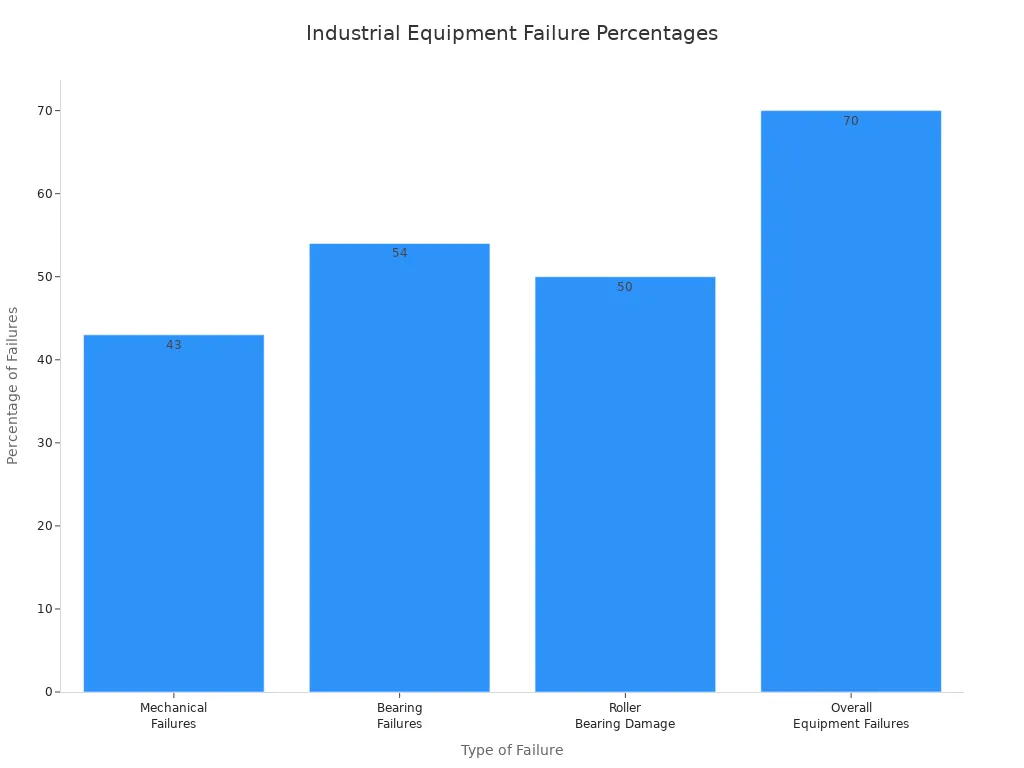
You can see that good lubrication is very important for machines.
Key Takeaways
Automatic oil lubrication pumps help machines work well. They give the right amount of oil at the right time. This lowers the chance of equipment breaking down.
These pumps save time and money. They cut down on manual oiling jobs. They also stop expensive repairs from bad lubrication.
Regular lubrication makes less friction. It helps machines last longer. It also makes them work better and more reliably.
Automatic systems make the workplace safer. Workers do not have to do risky oiling jobs in hard places.
Picking the right lubrication system is important. Taking care of it helps your equipment work its best and last longer.
What Are Automatic Oil Lubrication Pumps
Definition
You may wonder what automatic oil lubrication pumps are. These pumps help your machines get the oil they need without you having to do it by hand. An automatic lubrication system includes several parts. You will find a reservoir that holds the oil, a pump that moves the oil, feed lines that carry the oil, metering valves that control how much oil goes to each part, and injectors that deliver the oil right where it is needed. This system works together to keep your equipment running smoothly.
Automatic oil lubrication pumps make sure your machines get the right amount of oil at the right time. You do not have to stop your work to add oil. The system does it for you.
You can find these pumps in many industries. They help keep machines safe and working well. When you use automatic oil lubrication pumps, you reduce the risk of damage from poor lubrication.
How They Work
Automatic oil lubrication pumps use a simple process to keep your equipment healthy. The pump draws oil from the reservoir. It pushes the oil through feed lines. Metering valves measure the right amount of oil for each part. Injectors send the oil directly to the moving parts that need it most.
Here is how the system works step by step:
The reservoir stores the oil.
The pump activates and moves the oil.
Feed lines carry the oil to different parts of your machine.
Metering valves control how much oil goes to each spot.
Injectors deliver the oil to the exact location.
You can set the system to work at certain times or when your machine needs it. Some pumps use sensors to check oil levels and pressure. If something goes wrong, the system can alert you. This helps you fix problems before they get worse.
Component | Function |
Reservoir | Holds the oil |
Pump | Moves the oil |
Feed Lines | Carry oil to machine parts |
Metering Valves | Measure and control oil flow |
Injectors | Deliver oil to moving parts |
Automatic oil lubrication pumps save you time and effort. You do not need to remember to add oil. The system does it for you. Your machines stay in good shape, and you avoid costly repairs.
Importance of Lubrication
Equipment Performance
You want your machines to work well every day. Lubrication is very important for this. Automatic oil lubrication pumps give your equipment oil when it needs it. This helps lower friction between moving parts. Less friction means machines run smoother and last longer.
Heavy equipment gets hot and has lots of friction. Oil makes a layer between parts. This stops them from rubbing together. The layer keeps machines from wearing out too fast. You save money because you do not replace parts as much.
Here are some ways lubrication helps your equipment:
It lowers friction, so machines work better.
It helps equipment last longer by stopping wear.
It prevents breakdowns, so you have less downtime.
It makes machines more reliable.
It keeps machines safer by lowering malfunctions.
Benefit | Description |
Reduced Friction | Oil lowers friction, so machines run smooth. |
Extended Equipment Life | Lubrication helps parts last up to 50% longer. |
Minimized Downtime | Fewer breakdowns mean less time fixing machines. |
Improved Energy Efficiency | Machines with good lubrication use less energy. |
Enhanced Reliability | Regular lubrication keeps things steady and predictable. |
Risks of Poor Lubrication
If you forget lubrication, machines can have big problems. High friction makes parts get hot and break fast. You might hear loud sounds or feel shaking when parts rub with no oil. Dirty oil can make things worse and cause damage.
Poor lubrication can cause:
Very high friction, which breaks parts faster.
Loud sounds and shaking, making machines hard to use.
Dirty oil, which wears parts and lowers efficiency.
Early breakdowns or even total failure.
Scuffing, rough wear, and tired surfaces on gears.
Loss of the oil layer, so metal touches metal.
Oil does more than lower friction. It cools parts and cleans away dirt. Without enough oil, gears can break early. Your whole system might stop working. You can avoid these problems by giving your equipment clean oil often.
Benefits of Automatic Oil Lubrication Pumps
Efficiency
You want your machines to work fast and without waste. Automatic oil lubrication pumps help you reach this goal. These pumps deliver oil exactly when and where your equipment needs it. You do not have to stop your work to add oil by hand. The system does it for you.
Many factories have seen big improvements after switching to automatic oil lubrication pumps. Here are some results:
A sulfite factory in southern Sweden lowered grease use from 18,647 pounds to 10,463 pounds in three years. That is a 44% drop.
Manual greasing saw a reduction in grease use by 20 to 50%. Most departments saved about 33%.
The cost for new grease guns with meters was $10,800. The savings from less grease use quickly paid for this.
You save time and money. Your machines run better. You use less oil and grease. You also help the environment by cutting waste.
Tip: Automatic oil lubrication pumps keep your machines working at top speed. You do not need to worry about missing a lubrication cycle.
Equipment Lifespan
You want your equipment to last as long as possible. Automatic oil lubrication pumps help you protect your machines from wear and tear. These pumps give each part the right amount of oil at the right time. This keeps parts moving smoothly and stops them from grinding together.
Here is how automatic oil lubrication pumps help your equipment last longer:
Benefit Description | Impact on Equipment Lifespan |
Pumps give precise and steady lubrication. | Less wear and tear, longer machine life. |
Lubrication adapts to what your equipment needs. | Better use of resources, improved performance. |
Less manual work means fewer mistakes. | Safer operation, longer lifespan. |
Pumps prevent too much or too little oil. | Smooth running, less downtime. |
Pumps reach hard-to-access spots. | Safer maintenance, longer life for all parts. |
You do not need to worry about missing a lubrication point. Your machines stay healthy. You spend less on repairs and replacements.
Safety and Cost Savings
You want your workplace to be safe and your costs to be low. Automatic oil lubrication pumps help you reach both goals. These pumps lower the need for workers to climb or reach dangerous spots to add oil. Your team stays safe and avoids risky jobs near moving parts.
Many companies have seen big savings after using automatic oil lubrication pumps:
One plant cut maintenance costs by 30% after installing automatic lubricators.
The same plant saw a 25% increase in equipment lifespan.
Businesses save money by using less lubricant and fixing machines less often.
Automated systems keep workers safe by reducing manual lubrication tasks.
You spend less on repairs and oil. Your machines last longer. Your team stays safe. You get more value from your equipment.
Note: Automatic oil lubrication pumps help you save money and protect your workers. You get peace of mind and better results.
Industrial Applications
Manufacturing
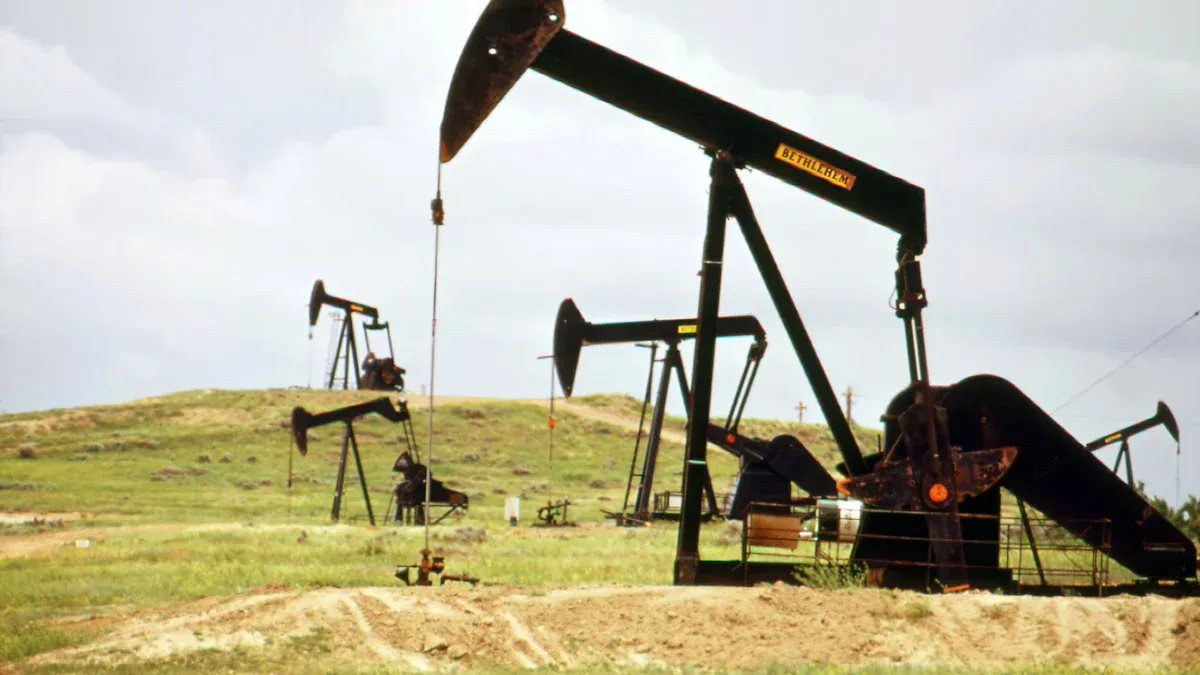
Automatic oil lubrication pumps are used in many factories. These pumps help machines work by lowering friction and wear. You can find them in food and beverage, pulp and paper, chemical processing, steel, petrochemical, and mining. Each industry uses these pumps for different reasons. Some want to save money. Others want to stop equipment from breaking. Many want to do less work by hand.
Industry | Reasons for Use |
Food and Beverage | Lubricates many points, less work for people |
Pulp and Paper | Stops machines from breaking due to bad lubrication |
Chemical Processing | Saves money overall |
Steel | Lubricates well, less manual work |
Petrochemical | Stops equipment from failing |
Mining | Saves money overall |
Many companies get their money back in less than a year. Using these systems can save a lot of money by stopping machine downtime.
Automatic oil lubrication pumps keep your machines from breaking early. They do this by lowering friction and wear. This is important when machines get hot and do not cool well.
CNC and Metal Processing
CNC machines and metal processing tools need to work fast and accurately. These machines need oil all the time to keep moving parts working. Automatic oil lubrication pumps give oil at the right time and place. This keeps friction low and helps machines work their best.
When you use these pumps, your machines do not wear out as fast. They also do not get as hot. You make fewer mistakes than with manual oiling. Your CNC machines work better and last longer.
Food Processing
Food plants must follow strict safety and cleaning rules. You have to use food-grade lubricants if oil might touch food. Your plant needs a food safety plan and a good lubrication program. You must check for risks and keep records for checks.
Use food-grade lubricants if oil might touch food.
Make a food safety plan with a trained person.
Keep records of all oiling steps and risks.
Use H1 lubricants for possible food contact, as the FDA says.
Use H2 lubricants for machines that do not touch food.
By doing these things, you keep food safe and follow the rules.
Other Industries
Many other industries use automatic oil lubrication pumps too. You may have problems like high starting costs or tricky setup. Some companies do not know the benefits or do not want to change from hand oiling. Old machines may not fit new pumps. Some places need special setups or have power problems. You might worry about data safety or getting parts.
High starting costs can make it hard to start.
Setup and care may need special skills.
Some companies like hand oiling better.
Old machines may not fit new pumps.
Power needs can be a problem in far places.
Data safety and getting parts can be hard.
You can solve these problems by learning more and planning for what you need.
Automatic vs. Manual Lubrication
Key Differences
You might wonder how automatic and manual lubrication are different. Both help machines keep working, but they do not work the same way. Automatic systems use pumps and sensors to send oil at the right time. Manual methods need you or your team to add oil by hand.
Here is a table that shows how they compare:
Aspect | Automatic Lubrication Systems | Manual Lubrication Methods |
Efficiency and Effectiveness | Gives steady and exact lubrication, so fewer mistakes. | Depends on people, so it can be uneven. |
Maintenance Requirements | Needs less care; easy to check from one place. | Needs lots of checking and work, so more effort. |
Automatic systems give oil in a steady and correct way. You do not have to worry about missing a spot or forgetting to add oil. Manual lubrication depends on people, so mistakes can happen. You might use too much oil or not enough. This can cause problems for your machines.
Tip: Automatic lubrication saves time and helps stop mistakes.
When to Use Automatic
You should use automatic lubrication when your machines need oil often and in the right amount. This is good for equipment with lots of moving parts or hard-to-reach places. Automatic systems work well in busy factories where stopping for maintenance costs money.
Here are some times when automatic lubrication is best:
Scenario/Benefit | Description |
Efficiency | Automatic systems give oil at set times, so less stopping. |
Safety | Fewer mistakes from people, so safer machines. |
Maintenance | Less checking by hand, so machines run better. |
Environmental Protection | Less oil spills, so the workplace stays clean. |
Extended Service Life of Machinery | Steady oiling means parts last longer. |
Your machines have many places that need oil.
You want less manual work and better safety.
You need steady and reliable oiling for your equipment.
Automatic lubrication systems help your machines stay in good shape. You spend less time fixing things and more time working. Your workplace stays safer and cleaner.
System Components
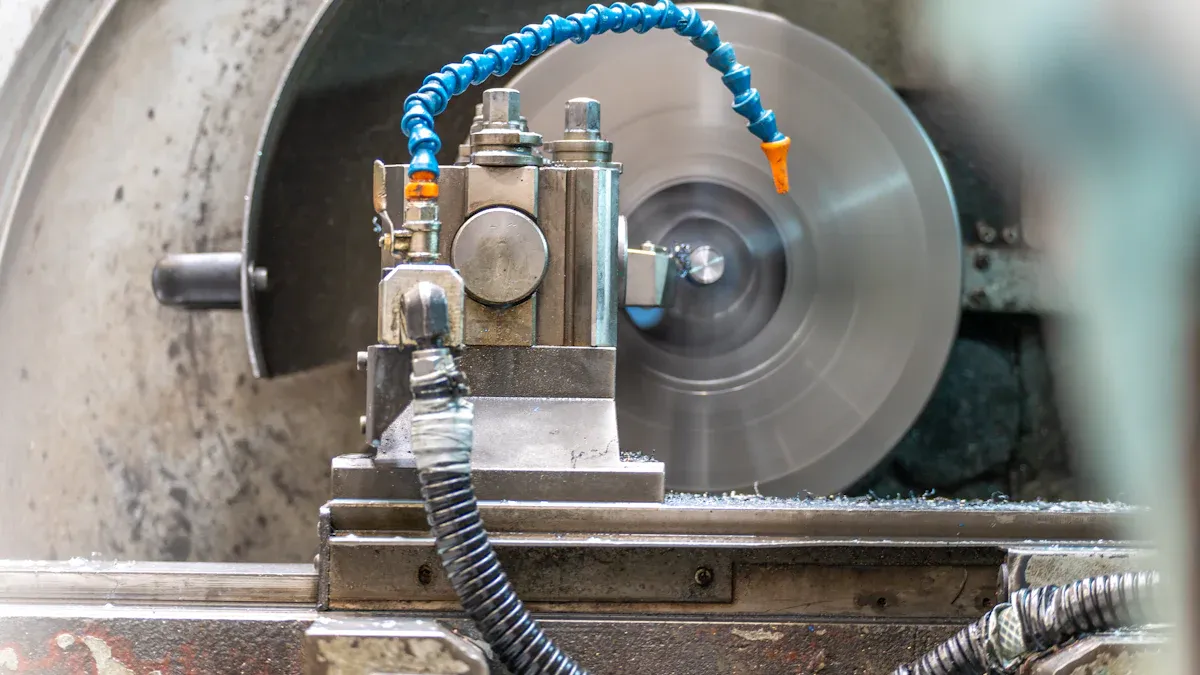
Automatic oil lubrication pumps have many important parts. These parts work together to help machines run well. Each part does a special job. When you know about these parts, you can see how the system protects your equipment.
Pump Unit
The pump unit is like the heart of the system. It pushes oil through lines to moving parts. Pump units come in different tank sizes and motor types. They can use different power sources. Many pumps use a shade-pole motor. Some run on 110V or 220V AC, or 24V DC. Most pumps give oil at a steady speed, between 150 and 200 ml each minute. They also have alarms for low oil and filters to keep oil clean.
Specification | Details |
Oil Tank Capacity | 2L / 3L / 4L |
Motor | Shade-pole Motor |
Voltage Options | 110V AC, 220V AC, 380V AC, 24V DC |
Rated Pressure | 18 kgf/cm² (max 35 kgf/cm²) |
Discharge Capacity | 150~200 ml/min |
Functions | Auto/semi-auto control, alarms, filters |
Reservoir
The reservoir holds oil for the system. It makes sure the pump always has enough oil. A good reservoir keeps oil clean and ready. It stops dirt from getting in when you refill it. Some systems shut off by themselves during refilling. This helps stop spills and keeps your workplace safe. Keeping oil at the right level protects machines from damage and breakdowns.
Central reservoirs work like a body’s blood system.
They help keep oil on moving parts all the time.
Automatic filling makes refilling easy and safe.
Distribution Lines
Distribution lines move oil from the pump to each spot. These lines include pipes, feed lines, and distributor valves. Distributor valves control how much oil goes to each place. This setup makes sure every part gets the right amount of oil. You do not get too much or too little oil, which can cause problems.
Controllers and Sensors
Controllers and sensors help the system work by itself. Controllers decide when and how much oil the pump sends. Sensors check oil levels, pressure, and flow. If something is wrong, the system warns you fast. Smart controllers and sensors help you avoid long stops and lower repair costs.
Feature | Benefit |
Advanced Controllers | Make the system more reliable |
Sensors | Check oil flow and levels |
Fault Signals | Warn you about problems |
Tip: Smart lubrication systems use sensors to watch your machines and keep them working well.
Types of Automatic Oil Lubrication Pumps
Single-Line
Single-line automatic oil lubrication pumps are good for machines with lots of places that need oil. You can use them to send small amounts of oil or grease to many spots at once. These pumps are small and simple to put in. They help you save room and money.
Characteristic | Description |
Connecting numerous lubrication points | Lubricates many points at once |
Smallest dosing quantities | Delivers tiny amounts of lubricant |
Compact construction | Fits in small spaces |
For oil or grease | Works with both oil and grease |
Cost-effective | Saves you money |
Easy assembly | Simple to set up and maintain |
Single-line pumps are a good choice for easy machines. They work well when you want to spend less.
Dual-Line
Dual-line automatic oil lubrication pumps have two main lines. These lines take turns sending oil to your machine. If one spot gets blocked, the other line keeps working. This means your machine always gets oil. Dual-line pumps are best for big machines that need strong pressure.
You often see dual-line systems in:
Dual-line pumps are great for tough jobs and hard places.
Progressive
Progressive automatic oil lubrication pumps give small amounts of oil often. This helps you use less oil and keeps your machines safe. The system works well even when things get rough.
You use less oil because the pump gives just enough.
The system works in hard places.
You do not need to stop machines to add oil by hand.
Your equipment lasts longer with careful oiling.
Workers stay safe because they do not do risky jobs.
You spend less fixing machines and stopping work.
Pick progressive pumps for machines with lots of moving parts.
Circulating Oil
Circulating oil lubrication systems keep oil moving all the time. Your machine gets a steady flow of oil to its bearings. This helps bearings stay cool and work better. These systems use special speeds, pressures, and filters. You should ask your bearing supplier for help picking the right system. Circulating oil systems are best when your equipment needs oil all the time.
Choosing a System
Assessing Needs
First, look at what your machines need. Each machine needs different amounts of oil. Think about how often your machines run. Also, think about how much pressure they face. Check how much each system costs. See how well each system works. Pick a system that fits your budget. Make sure it works well for your machines.
Compare the price and how well each system works.
Find lubricants that last longer and help your machines.
Choose a system that lets you pick oil blends for your machines.
Follow the manufacturer’s rules. Learn how your machines work. Know what kind of lubrication they need. This helps you choose the best automatic oil lubrication pumps for your business.
Environment
Your workplace can change how your lubrication system works. High heat makes oil break down faster. Humidity adds water, which can make oil not last as long. You need a system that can handle these things.
Environmental Factor | Effect on Lubrication Systems |
High Temperature | Makes oil break down faster, so you change it more. |
Humidity | Adds water, so oil does not last as long. |
Think about heat and humidity when you pick your system. Choose a lubricant that works in your workplace. Make sure your system keeps oil clean and moving, even when it is tough.
Tip: Always pick a lubrication system that matches your workplace for the best results.
Lubricant Selection
Picking the right lubricant is very important. Match the viscosity grade to your machine’s heat and load. Look for additives like anti-wear and corrosion protection. Decide if you need mineral, synthetic, or semi-synthetic oil. Make sure the lubricant meets your machine maker’s rules.
Match viscosity grade to heat and load.
Look for additives that protect your machines.
Pick the right base oil for your job.
Make sure the lubricant works in your workplace.
Follow the maker’s rules to keep your warranty.
Balance cost with how long the oil lasts.
Choosing the right lubricant protects your machines and saves money.
Maintenance
Regular maintenance helps your lubrication system work well. Check your system often to find problems early. Clean or change filters and valves to keep oil moving. Watch oil levels and how the system works.
Plan regular checks to find wear and damage.
Clean or change filters and valves.
Watch oil levels and how the system works.
Use predictive maintenance to plan ahead and stop breakdowns. Condition-based maintenance helps you use your resources well. Always follow the maker’s advice for oiling times. Check how well your lubricant works with tests.
Note: Good maintenance helps your machines last longer and keeps your workplace safe.
Product Spotlight: Baotn BTD-O2P8
You need a good solution for your machines. Baotn is a top company in smart lubrication technology. Their products help your equipment work well. One of their best pumps is the BTD-O2P8 Automatic Chain Lubrication Oil Pump.
This pump has special features for hard jobs. It holds a lot of oil, so machines stay oiled longer. The system has alarms for pressure and liquid level. These alarms warn you if something is wrong. You can fix problems before they get worse. The pump quickly builds steady pressure. This helps send the right amount of oil to each part.
The BTD-O2P8 has an overflow valve. This valve stops too much oil and keeps things safe. The controls are simple to use. You can press the FEED key for fast oiling when needed. Baotn lets you change the liquid level switch and pressure switch for your needs.
The BTD-O2P8 works in many places. You can use it for CNC machines, metal work, and other tough jobs. The pump can run all the time, so production does not stop. Baotn gives a two-year warranty and makes up to 10,000 pumps each month. You get strong support and peace of mind for your business.
If you want to make your lubrication system better, try the BTD-O2P8. It shows how automatic oil lubrication pumps help your machines work better and stay safe.
Automatic oil lubrication pumps help your machines work better. They help you have fewer breakdowns and make equipment last longer. These pumps also make your workplace safer for everyone. You can save money and get more work done with these systems. Look at how you add oil to your machines now. If you want something better, try the Baotn BTD-O2P8.
Choose wisely to keep your machines safe and your business strong.
FAQ
How often should you check your automatic oil lubrication pump?
You should check your pump every week. Look for oil levels, leaks, and alarm signals. Regular checks help you catch problems early and keep your machines running well.
Can you use any oil in an automatic lubrication pump?
No, you need to use the oil recommended by your machine’s manufacturer. The right oil protects your equipment and helps the pump work correctly.
What happens if the pump alarm goes off?
The alarm means something needs your attention. Check oil levels, pressure, and the system for blockages. Fix the problem before you restart your machine.
Is it hard to install an automatic oil lubrication pump?
Most pumps come with clear instructions. You can follow the steps or ask a technician for help. Many users find the setup simple and quick.


