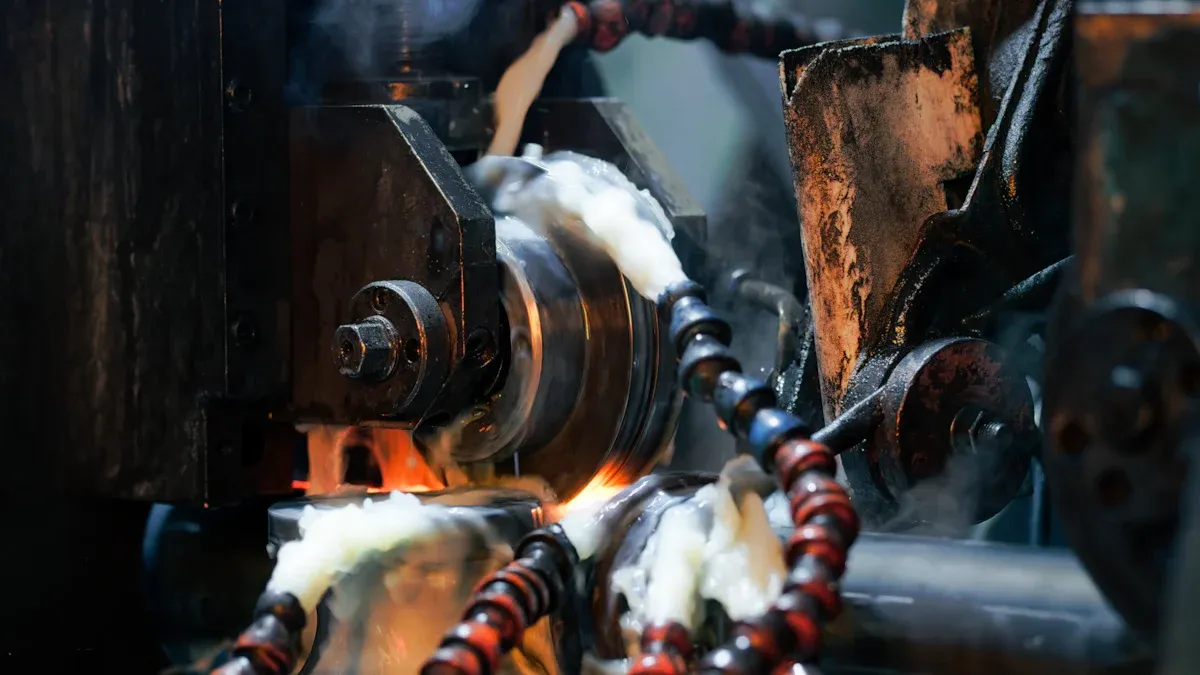
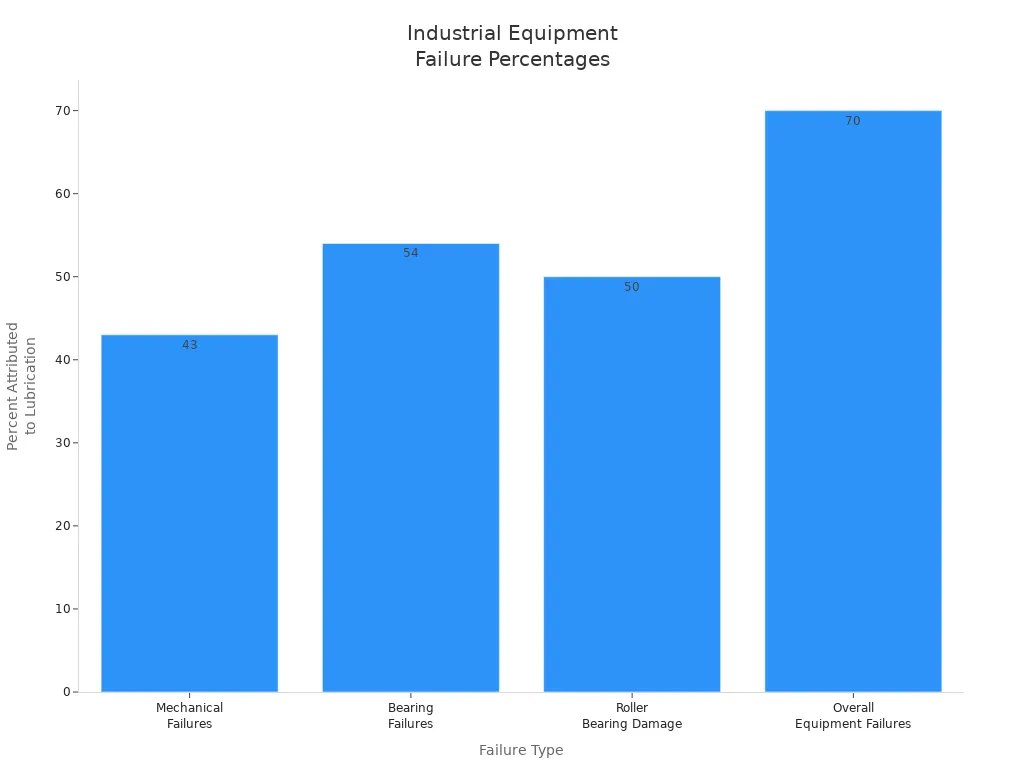
Automatic central lubrication systems send the right amount of lubricant to many parts of your machines at certain times. These systems help stop expensive breakdowns. They also help your machines work well. Studies show that almost 70% of machine failures happen because of bad lubrication.
Type of Failure | Percentage |
Mechanical Failures | 43% |
Bearing Failures | 54% |
Roller Bearing Damage | 50% |
Overall Equipment Failures | 70% |
Automatic lubrication systems help machines stop working less often. They help machines last longer. They also make fixing machines cost less. Centralized grease lubrication systems give good solutions for many businesses. Baotn is a top company in this area. They have smart products like the BTA-A2P4 Thin Oil Lubrication Pump. This pump has a digital screen and smart checking tools.
Key Takeaways
Automatic central lubrication systems help stop machines from breaking. They give the right amount of lubricant at the right time. This makes equipment work better and last longer.
These systems save time and money for companies. They lower downtime and cut maintenance costs. Workers can spend more time on other important jobs.
Using automatic lubrication makes the workplace safer. Workers do not need to go into dangerous places to add lubricant by hand.
Centralized lubrication systems are good for the environment. They use less lubricant and make less waste. This helps keep the workplace clean.
Picking the right lubrication system and vendor is very important. Look for features like real-time monitoring and strong support. This will help your company succeed for a long time.
What Are Automatic Central Lubrication Systems
Core Functions
Automatic central lubrication systems help machines work better. They send the right amount of lubricant to many parts at the right time. You do not have to stop machines to add grease by hand. The system works while the machines are running.
Here are the main jobs of the automatic lubrication system:
Controlling: The system decides how much lubricant each part gets. It looks at how hard the machine works and how hot it is.
Monitoring: It checks if the lubricant is still good and doing its job.
Cooling: The system helps keep machine parts from getting too hot.
Filtration: It takes out dirt and other bad stuff from the oil.
Cleaning: The system washes away bits of trash to protect your machines.
Sealing: It stops leaks and keeps the lubricant in the right place.
These main jobs help stop problems and keep machines working well.
Industrial Importance
Factories get many good things from automatic central lubrication systems. These systems save time and money. Centralized grease lubrication systems mean workers do not have to stop machines to do maintenance. This lets machines run longer and make more products.
You do not waste lubricant because the system gives just enough.
Workers can do other important jobs instead of adding grease by hand.
Centralized systems help stop sudden shutdowns, which can cost a lot. Even one or two surprise stops can cost more than putting in the system.
Using automatic lubrication systems helps machines last longer and work better. It also makes the workplace safer and helps everyone do their jobs faster.
Centralized grease lubrication systems are important for keeping production lines moving. They help stop expensive repairs and keep your business running well.
Benefits of Automatic Central Lubrication Systems
Efficiency and Cost Savings
Automatic central lubrication systems make factories work better. These systems help save both time and money. Machines get the right amount of lubricant while still running. Workers do not have to stop machines to add grease. This lets workers do other important jobs.
Here is a table that shows what companies get after using automatic lubrication systems:
Benefit | Description |
Improved Productivity | Less downtime and fewer hours spent on lubrication jobs, so work gets done faster. |
Cost Savings | Stops extra costs from bad lubrication, like new parts or extra work. |
Environmental Impact | Uses less lubricant and makes less mess, which is better for the environment. |
Enhanced Worker Safety | No need for workers to go into dangerous places to add grease, so it is safer. |
Centralized grease lubrication systems help use less oil and grease. This means you do not waste supplies. You also spend less money fixing machines. Automation helps machines break down less and cost less to run.
Equipment Longevity
Automatic central lubrication systems help machines last longer. Every part gets the right amount of lubricant at the right time. You do not miss any spots or use too much grease.
"Good lubrication makes machines last longer and helps stop surprise breakdowns. This saves money on repairs and helps you get more work done."
"The best way to keep a bearing working is to always have a thin layer of lubricant," says Laucis.
"An automatic system gives constant lubrication. Manual lubrication needs a person to stand by the machine and use a grease gun all the time," says Laucis.
Centralized grease lubrication systems help machines run smoothly. Automation means fewer repairs and less time when machines are not working.
Safety and Environmental Impact
Centralized systems help keep workers and the environment safe. Automatic central lubrication systems lower the chance of accidents. Workers do not have to go into risky places to add grease.
About 15% of workplace injuries in factories happen because machines break, says OSHA.
Automated lubrication systems help keep machines in good shape and lower safety risks.
NIOSH says automated maintenance helps keep workers safe.
Automatic lubrication systems mean workers do not need to add grease by hand, so there are fewer accidents.
Better safety helps you follow health and safety rules.
Centralized grease lubrication systems also help the environment. They use less lubricant and make less waste. You spend less time cleaning up spills. Your workplace stays cleaner and safer.
Centralized Grease Lubrication Systems Overview
Key Applications
Centralized grease lubrication systems are used in many fields. They help machines work well and need less hand maintenance. The table below shows where these systems are used and why:
Industry | Reason for Use |
Agriculture | Needs lubrication for machines and tools |
Automotive | Important for car care and how cars run |
Cement | Big machines need steady lubrication |
Food & Beverage | Keeps food machines clean and working fast |
Mining | Works in tough places and must be reliable |
Packaging | Helps machines run fast without stopping |
Pulp and Paper | Needed for machines that make paper |
Railway | Lubricates train parts that move |
Steel | Big machines need grease often |
Wind Energy | Greases parts inside wind turbines |
Centralized grease lubrication systems stop expensive machine problems. They also make sure each machine part gets the right grease when needed.
Typical Machinery
Automatic lubrication systems are found on many big machines. These machines have lots of moving parts that need grease often. Here are some examples:
Farm machines
Building machines
Mining machines
Oil field machines
Wind power machines
Steel plant machines
Harbor machines
Machine tools
Automation machines
Grease lubrication systems are best for machines with many grease points. You see them a lot in steel plants, cement factories, and shipping areas. These systems help your machines stay in good shape, even when the job is hard.
System Components
Automatic lubrication systems have many important parts. Each part helps your machines get the right lubricant at the right time. It is important to know how these parts work together. This helps your equipment run well.
Pump Units
The pump unit is the main part of a centralized lubrication system. It holds and moves the lubricant through the system. The Baotn BTA-A2P4 Thin Oil Lubrication Pump is a smart choice for many factories. This pump has a digital screen that shows power and lubrication status. You can quickly check if the system is working. The pump has a self-protection feature. It keeps the motor safe from getting too hot or working too hard. The dual-layer filtration system keeps the oil clean. Clean oil helps your machines last longer. The pump has a timer, so you can set how long and how often it runs. You get real-time monitoring with the liquid level switch and an optional pressure switch. These features help you find problems early and stop damage.
Tip: Pick a pump with good monitoring and safety features. This can help you avoid expensive repairs.
Distribution and Metering
After the pump moves the lubricant, the system sends it to the right places. Centralized systems use tubes, valves, and metering devices for this job. These parts measure and give the exact amount of lubricant each part needs. Modern systems use high-precision volumetric metering and automated valves. This technology helps you avoid waste. It also makes sure every part gets enough lubricant.
Technology Type | Benefit |
High-precision volumetric metering | Gives the right amount of lubricant and stops waste |
Automated lubrication systems | Gives exact metering and always checks the system |
Intelligent sensors | Watches performance and warns you about possible problems |
Control and Monitoring
Control and monitoring parts help you manage the whole system. The timer or controller tells the pump when to start and stop. Sensors check oil levels and how the system is working. The control panel shows you the system status. You can change settings on the panel. Real-time monitoring helps you find problems before they cause damage. Safety features like overflow valves and fuses protect your machines from breaking. These smart tools make centralized lubrication systems safe and reliable for your factory.
Automatic Lubrication Systems Types
Oil vs. Grease Systems
You can pick oil or grease automatic lubrication systems for your machines. Each one is good for different jobs. Oil systems use a liquid that moves easily. Grease systems use a thick, sticky substance that stays put longer.
Here is a table to show the main differences:
Key Aspect | Grease | Oil |
Consistency | Solid at room temperature | Liquid, free-flowing |
Composition | Contains thickeners like soaps or clay | Pure liquid lubricant |
Applications | Used in machinery and tools | Wide-ranging uses, including cooking |
Behavior in Use | Stays in place for long-lasting lubrication | Flows freely, suitable for continuous use |
Water Resistance | Generally more water-resistant | Less water-resistant |
Load Carrying Ability | Handles higher loads | Better for high-speed applications |
Pumpability | More challenging to pump | Easier to pump and distribute |
Oil Separation | Requires oil to separate from thickener | No separation issue |
Grease systems are best for heavy loads or wet places. Oil systems are better for fast-moving machines or those that need oil all the time. Baotn has both types, so you can choose what fits your machines.
Lubrication Methods
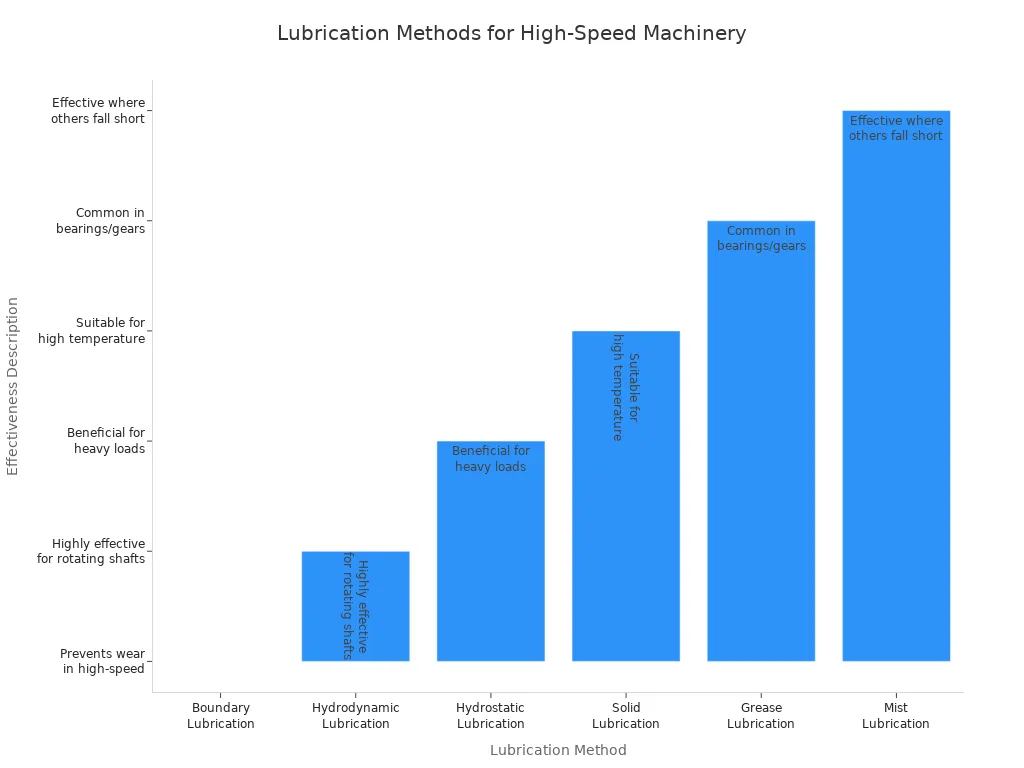
There are different ways to add lubricant in a centralized system. Each way works best for certain machines or jobs. Here is a table that shows the most common methods and how well they work for fast machines:
Lubrication Method | Description | Effectiveness in High-Speed Applications |
Boundary Lubrication | Forms a protective film to minimize friction under extreme pressure. | Essential for preventing wear in high-speed machinery. |
Hydrodynamic Lubrication | Uses fluid motion to create a lubricating film, reducing wear and heat. | Highly effective for rotating shafts in continuous motion. |
Hydrostatic Lubrication | Pressurizes lubricant to separate moving surfaces, enhancing stability. | Beneficial for heavy loads in high-speed operations. |
Solid Lubrication | Uses materials like graphite for durable lubrication in extreme conditions. | Suitable for high-temperature environments where liquids fail. |
Grease Lubrication | Semi-solid lubricant that stays in place, ideal for long-term use. | Commonly used in bearings and gears in high-speed machinery. |
Mist Lubrication | Generates a fine mist to cool and lubricate components simultaneously. | Effective in high-speed applications where traditional methods fall short. |
For example, Baotn’s BTA-A2P4 Thin Oil Lubrication Pump uses hydrodynamic lubrication. This method is great for CNC machines and other equipment that need steady oil. You should pick the method that matches your machine’s speed, weight, and where it works. Centralized systems let you use the best way for each part of your factory.
System Selection Guide
Assessing Needs
First, you need to know your machines. Make a list of every machine that needs lubricant. Write down how often each one is used. Check what kind of lubricant each machine needs. Find out which parts wear out the fastest. Count how many places need lubricant and how much each spot needs.
Here are some easy steps to follow:
Write down all machines that use lubricants.
Note when each machine is used.
Draw a map showing where to add lubricant.
List details for gearboxes and hydraulic systems.
Keep track of how much lubricant you use.
Make sure your lubricant buying rules are up to date.
Think about how big your factory is. If you have lots of machines, you need a system that can handle many spots. The system should fit your machine types, especially if you use big or heavy machines.
Tip: Check your lubricant choices often. Change them if you need to. This helps stop problems from using old or wrong lubricants.
Environmental Factors
Where you work changes how your lubrication system works. If it is cold, pick grease that will not freeze. Softer grease works better in cold because it has more oil. If it is hot, choose grease that stays thick in heat. Heat can make grease too thin or break down fast. You might need to add lubricant more often when it is hot.
Other things like dust, water, and shaking can cause problems. Make sure your lubrication system can handle these things. Good materials and strong parts help your system last longer in tough places.
Note: Always store lubricants the right way. Good storage keeps them fresh and working well.
Customization and Integration
You can change automatic lubrication systems to fit your needs. Some systems have special parts for different machines or jobs. You might need a custom system for machines with hard-to-reach spots. New systems can connect to your factory’s smart controls. This helps you watch lubrication and plan repairs before something breaks.
Many new systems use smart tools like IoT and remote checks. These tools let you see how your system is working. You get alerts if there is a problem. Baotn’s BTA-A2P4 Thin Oil Lubrication Pump has a digital screen and real-time checks. These features make it easy to manage lubrication and protect your machines.
Callout: Custom systems help with special lubrication needs. Connecting to automation makes your factory safer and smarter.
Vendor Evaluation
Picking the right vendor is very important. Choose companies with a good name and helpful support. See if they give a warranty and quick service. Look at the total cost, not just the price to buy. This means thinking about repairs, spare parts, and getting rid of old parts.
Here is a table to help you compare vendors:
Factor | What to Check |
Warranty | How long and what the warranty covers |
Support | If you can get help and spare parts easily |
Cost of Ownership | Costs for repairs and getting rid of old parts |
Quality | How good the materials and build are |
Compliance | If it meets industry rules (like ISO 21469) |
Delivery | If they deliver on time and give good service |
Ask if the system is easy to set up and use. Good lubrication systems help stop breakdowns and keep machines working.
Tip: Pick a vendor who knows your needs and offers flexible choices. Baotn gives strong support and high-quality products for centralized lubrication systems.
You get many good things when you pick automatic central lubrication systems. These systems help machines run better and last longer. The table below shows important things to think about:
Decision Point | Description |
Benefits of Automatic Lubrication | Uses the right amount of grease, so parts do not break from not enough lubrication. |
Safety Considerations | Makes it safer because workers do not have to reach hard places and risk slipping or falling. |
Cost Implications | It can cost a lot at first, but you save money fast, sometimes in less than a year. |
Unique Properties of Grease | Using grease the right way stops clogs and keeps machines working longer. |
You can do these things to get better results:
Change how you add lubricant and check machines instead of doing it by hand.
Pick the best lubricant before you choose your system.
Make sure the grease moves well and does not separate for best results.
Set times to add more grease so it does not sit too long.
Check your system often to find problems early.
Look at each machine to see how it affects costs and safety.
New systems like Baotn give strong and safe solutions. You should talk to vendors and think about what you need to pick the best system for your factory.
FAQ
What is the main benefit of using an automatic central lubrication system?
You get steady and accurate lubrication for your machines. This helps you avoid breakdowns and save money on repairs. Your equipment runs better and lasts longer.
How often do you need to check the lubrication system?
You should check the system weekly. Look at the digital display for alerts. Make sure oil levels are good. Quick checks help you spot problems early.
Can you use one system for different types of machines?
Yes, you can. Many systems, like Baotn’s, let you adjust settings for each machine. You can use one system for many machines in your factory.
What safety features should you look for?
Look for overflow valves, fuses, and real-time monitoring. These features protect your machines from damage and keep your workplace safe.
How do you know if the system is working right?
Check the control panel or digital display. You will see the status of power and lubrication. Some systems give alerts if something goes wrong. Always follow the user manual for best results.


